



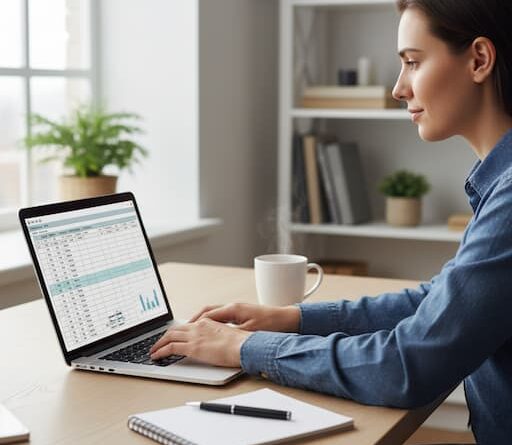
You’re looking for a way to earn money from home. You want something straightforward, with a low barrier to entry, that lets you trade your focus and attention for a steady paycheck. You’ve probably heard about remote data entry jobs, but the online job market can feel overwhelming, and it’s hard to know what’s real and what’s a scam. The good news is that legitimate remote data entry work is not only real, it’s a growing field. Companies of all sizes need organized individuals to handle the crucial task of managing their digital information.
A remote data entry job can be the perfect entry point into the world of working from home. It offers flexibility and doesn’t typically require a specialized degree. But succeeding in this field requires knowing where to look, what skills to highlight, and how to avoid the common pitfalls. This guide will walk you through everything you need to know to find, land, and excel in a remote data entry role.
What Does a Remote Data Entry Job Actually Involve?
At its heart, a data entry job is about transferring information from one format to another. Think of yourself as a bridge for data. You might be taking handwritten information from scanned forms and typing it into a digital spreadsheet. You could be updating customer records in a company database, transcribing audio from meetings, or verifying the accuracy of product information for an ecommerce site. The common thread is attention to detail and a comfort with repetitive, focused tasks. As a remote worker, you’ll be doing all of this from your home office, connected to your employer through the internet. Your performance is measured by your accuracy and sometimes your speed, not by the hours you spend in a chair.
The Skills That Will Get You Hired
You don’t need a fancy resume to get started in data entry, but you do need to demonstrate a specific set of practical skills. The most obvious one is typing. While you don’t need to be a world-champion speed typist, a solid typing speed of around 40-50 words per minute with high accuracy is a common expectation. Beyond that, familiarity with core software is non-negotiable. You must be comfortable with Microsoft Excel and Google Sheets. Knowing how to navigate rows, columns, and basic formulas will give you a significant advantage. A keen eye for detail is your greatest asset. A single misplaced digit or letter can have big consequences, so employers are looking for people who are naturally meticulous. Finally, basic computer literacy, file management, and a reliable understanding of how to use the internet are the foundational skills that will allow you to work independently from home.
Where to Find Legitimate Remote Data Entry Jobs
This is the most critical step. The internet is full of ads promising huge money for simple data entry, and many of them are designed to trick you. To stay safe, focus your search on established, reputable job platforms. Websites like Indeed, FlexJobs, and LinkedIn Jobs have robust filtering systems that let you search for “remote” or “work from home” positions. These platforms vet employers, which significantly reduces the risk of scams. Another excellent avenue is to look at the career pages of companies known for remote work, such as insurance firms, healthcare providers, and large retail corporations. They often have dedicated teams for data processing and regularly hire remote employees. Avoid any “opportunity” that asks you to pay a fee upfront or promises unrealistic earnings for minimal effort. A legitimate employer will never ask you to pay to get a job.
Crafting Your Application for Success
When you apply for a remote data entry job, your application needs to scream “reliable and detail-oriented.” Your resume should be clean, error-free, and specifically tailored to the job description. Use the same keywords you see in the posting. If the job ad emphasizes “data verification” and “Microsoft Excel,” make sure those exact phrases are in your resume. Write a brief cover letter that directly addresses your ability to work independently and your commitment to accuracy. Since you’re applying for a remote role, it’s also wise to mention your home office setup. Briefly stating that you have a quiet workspace, a reliable computer, and a high-speed internet connection shows the employer that you are prepared and professional. This small detail can make you stand out from applicants who haven’t considered the practicalities of working from home.
Acing the Interview and Skills Test
The interview process for a remote data entry job often has two parts. First, there will likely be a video interview. Treat this exactly like an in-person meeting. Test your technology beforehand, find a quiet, well-lit space with a neutral background, and dress professionally. Be prepared to answer questions about how you stay organized, how you ensure accuracy in your work, and what you do when you encounter a problem. The second part is often a practical skills test. You might be given a sample data set and asked to enter it into a spreadsheet within a time limit, or you might be asked to find errors in a existing document. The key here is not to rush. Employers value accuracy far more than raw speed. Double-check your work before submitting it. This test is your chance to prove the very skills you’ve been claiming on your resume.
Setting Yourself Up for Long-Term Success
Once you land the job, your focus shifts to performing well and building a positive reputation. Create a dedicated workspace in your home, free from distractions. This helps you mentally separate your work life from your home life. Practice good time management by setting a schedule for yourself, even though no one is watching over your shoulder. Take short, regular breaks to maintain your focus and avoid burnout. The world of data entry can also be a stepping stone. As you prove your reliability, you may have opportunities to take on more responsibility, learn new software like a Customer Relationship Management (CRM) system, or move into roles like data analysis or virtual assistance. By demonstrating that you are a trustworthy and accurate remote worker, you open the door to a sustainable and rewarding career from the comfort of your own home.


