



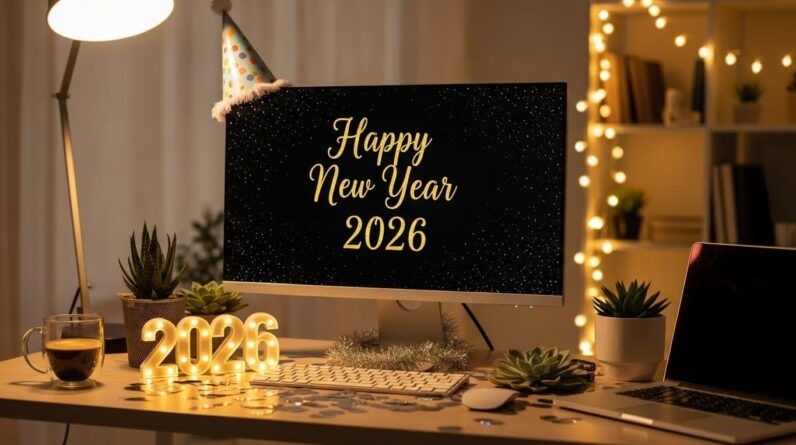
It’s Monday morning. You’re not sitting in bumper-to-bumper traffic, powering through the same slog of a commute. You’re not heading into an office where your day is sliced into hour-long meetings and your value is measured by your presence at a desk. Instead, you’re pouring a fresh cup of coffee, sitting down at your own workspace, and choosing which project you want to dive into first. This isn’t a daydream—it’s the new reality for a record number of Americans. Freelancing isn’t just a side gig anymore; it’s becoming a primary career path. As we move through 2026, this trend isn’t just continuing—it’s accelerating. But why? What’s really driving this massive shift in how we work? It’s more than just avoiding rush hour. We’re seeing a fundamental rewrite of the contract between workers and work itself.
The Demand Has Never Been Higher (Companies Are Finally Getting It)
Let’s start with the pull factor. For years, freelancing was often seen by businesses as a Plan B—a way to fill temporary gaps or get cheap labor. That perception is officially obsolete. In 2026, hiring freelance talent is a core business strategy for companies of all sizes. The reason is simple: agility. The pace of change in technology, marketing, and consumer behavior is dizzying. A company might need a world-class AI prompt engineer for three months to launch a new product, or a specialized social video producer for a six-week campaign. It doesn’t make financial or strategic sense for them to hire a full-time employee for these hyper-specific, project-based needs. By building a flexible bench of freelance experts, businesses can access top-tier talent on demand, scaling their team up or down without the overhead and long-term commitment of traditional hires. They’re not just buying your time; they’re buying your specific, razor-sharp expertise to solve a particular problem. This creates a massive, sustainable market for skilled independents.
The Tech That Makes It All Possible (It’s Not Just Zoom Anymore)
The infrastructure for freelance success is now seamless and professional. Think back ten years. Finding clients often meant wrestling with clunky job boards and chasing down late payments. Today, the entire freelance workflow is supported by a mature ecosystem. Sophisticated platforms like Upwork, Toptal, and Fiverr Pro handle secure contracts, payments, and even dispute resolution, allowing you to focus purely on the work. Communication tools like Slack and Notion make collaborating with remote teams feel effortless, as if you’re sitting in the same room. And crucially, the tools of the trade themselves—from design software like Figma (which works perfectly in a browser) to AI-powered writing assistants—are more powerful, accessible, and often cloud-based than ever. This tech stack doesn’t just make freelancing possible; it makes it efficient, credible, and as professional as any corporate office. The barrier to entry isn’t a fancy degree or a connection; it’s a strong internet connection and demonstrable skill.
The Unbeatable Appeal: Freedom, Flexibility, and Real Ownership
Now, let’s talk about the push factor—the deep, personal reasons driving this freelance growth. After the seismic shifts in work culture over the past few years, many Americans have had a taste of flexibility and don’t want to give it back. The traditional 9-to-5, tied to a single location, feels increasingly rigid and, frankly, outdated.
Freedom of Geography and Schedule: This is the big one. Freelancing in 2026 means you can structure your life around your energy, not a corporate clock. Need to pick up your kids at 3 p.m.? You can. Want to take a long midday walk to clear your head? Go for it. As long as you deliver exceptional work on deadline, how and when you do it is up to you. This autonomy over your time is a form of wealth that a salary often can’t match.
The Portfolio Career (Not the Job Hopper): The old career ladder promised a linear climb in one company. Today’s most interesting careers look more like a portfolio of diverse, exciting projects. One month you might be designing a brand identity for a cool startup, and the next you’re consulting for a non-profit on their grant strategy. This variety keeps your skills razor-sharp and prevents the stagnation and burnout that comes from doing the same thing for years. You’re constantly learning and growing, by design.
You Own the Relationship: When you’re a freelancer, you are your own brand. The client relationships you build, the reputation you earn, and the portfolio you create are assets you own. You’re not building equity in a company that can let you go at any moment; you’re building equity in yourself. This sense of ownership and direct connection between your effort and your reward is profoundly motivating.
Navigating the New Landscape: Smart Freelancing in 2026
This boom creates incredible opportunity, but also more competition. Succeeding now means being strategic. It’s no longer enough to just be “a freelancer.” You need to be a specialist.
The Power of the Niche: Generalists get lost in the noise. The most successful freelancers in 2026 are niching down hard. Instead of “I do marketing,” think “I help B2B SaaS companies launch their products using LinkedIn content strategy.” This specificity makes you memorable, allows you to charge premium rates, and turns you into the obvious expert for a particular problem.
Building a Network, Not Just a Client List: The gig-by-gig hustle is exhausting. The goal is to build a network of recurring clients, referrals, and peers who send work your way. This means doing standout work, of course, but also being proactive. Share your knowledge on professional networks or industry podcasts. Collaborate with freelancers who offer complementary services. Your network becomes your most reliable source of new opportunities.
Treating Yourself Like a Business: This is the non-negotiable mindset shift. You are now CEO, CFO, and head of sales. That means setting aside money for taxes, investing in professional development, creating clear contracts, and having a financial runway for slower periods. It also means learning to say “no” to projects that don’t align with your rates or goals. This professional discipline is what separates the hobbyist from the truly independent professional.
The freelance surge we’re seeing in 2026 isn’t a fad. It’s the logical evolution of work in a digital, fast-moving world. It’s driven by smart businesses that need flexible expertise and by skilled individuals who want more control over their time, their income, and their careers. The path isn’t always easy—it requires discipline, self-promotion, and resilience—but the rewards are a different kind of stability. The stability that comes from knowing your value, owning your future, and designing a work life that truly fits you. If you’ve been watching this trend and wondering if it’s for you, there’s never been a better time to explore. Your first client is out there, waiting for exactly what you have to offer.


