If you’ve been around the internet for even a minute, you’ve probably heard the phrase “digital marketing.” But here’s the thing: digital marketing isn’t just one single strategy. It’s a whole toolbox of methods businesses and individuals use to connect with people online. The tricky part is figuring out which tools you actually need. Some approaches might be a perfect fit for you, while others may just eat up your time.
Let’s break it down in plain English so you can see the different types of digital marketing and how they might work for you.
Search Engine Optimization (SEO)
Think of SEO as the art of getting noticed by Google without paying for ads. When someone types a question into Google and your website pops up on the first page, that’s SEO doing its job.
The main idea is to optimize your content—like blog posts, product pages, or service descriptions—so search engines understand that it’s relevant and trustworthy. If you write a blog about healthy recipes, for example, SEO is what helps you appear when someone searches “easy healthy dinner ideas.”
It takes time to see results with SEO, but the long-term payoff is huge. Once your content ranks well, you can bring in traffic consistently without paying for each click.
Pay-Per-Click (PPC) Advertising
PPC is basically the “shortcut” to visibility. Instead of waiting for organic SEO to work, you pay platforms like Google or Facebook to show your ad at the top.
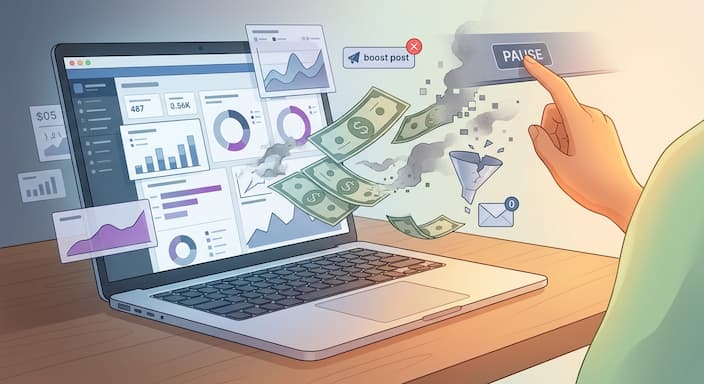
Here’s the deal: you only pay when someone clicks on your ad, hence the name. That means you can run a campaign and see immediate traffic to your site. The catch? It costs money, and if you don’t manage your budget wisely, you can burn through cash quickly.
Still, PPC can be a lifesaver when you’re launching something new and want instant attention.
Social Media Marketing
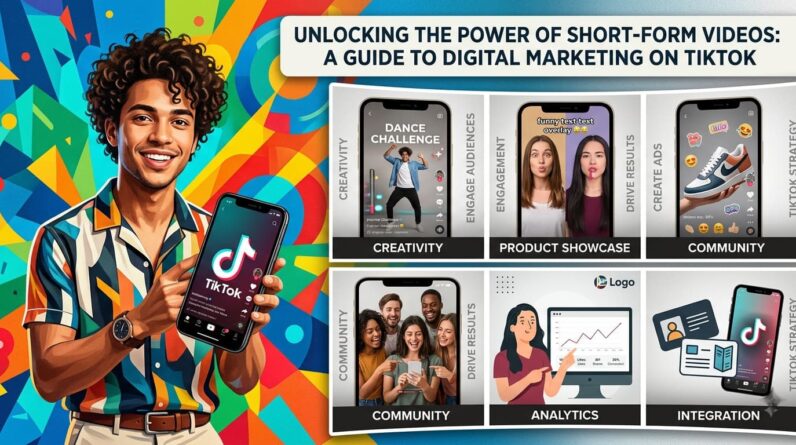
Social media isn’t just for scrolling memes or liking vacation photos. Platforms like Instagram, TikTok, Facebook, and LinkedIn are powerful tools to build an audience and engage directly with people.
Imagine you’re starting a small handmade jewelry business. Posting reels of your designs being crafted, sharing customer testimonials, or running giveaways can all grow your presence. The best part is that it feels personal. People get to know you, not just your product.
The downside? Social media takes consistency. If you’re not posting regularly and engaging with your followers, it’s easy to fade into the background.
Content Marketing
Content marketing is all about creating valuable stuff people actually want—whether that’s blog posts, videos, podcasts, or infographics. Instead of shouting, “Buy this now!” you’re giving people information that makes their life better, which builds trust over time.
Say you run a fitness coaching business. Instead of just advertising your services, you write blog posts about workout routines, share free nutrition guides, and post tips on Instagram. Suddenly, people see you as an expert, and when they’re ready to invest, you’re the person they turn to.
Email Marketing
Email might sound old-school, but it’s still one of the most powerful forms of digital marketing. Why? Because it lands directly in someone’s inbox—a space far more personal than a social media feed.
The trick is to send emails people actually want to read. Think weekly tips, exclusive discounts, or insider news. If done right, email builds relationships and keeps your audience coming back. Done wrong, though, it can feel like spam and end up unread in the trash folder.
Influencer Marketing
If you’ve ever bought something because a YouTuber or Instagram creator recommended it, you’ve experienced influencer marketing. Brands partner with people who already have an audience, and those influencers promote their products.
It works because it feels authentic—like advice from a friend—rather than a pushy ad. Of course, the key is choosing the right influencer. A fitness coach promoting workout gear makes sense. The same coach promoting kitchen blenders? Maybe not so much.
Affiliate Marketing
Affiliate marketing is like commission-based sales in the digital world. You recommend a product or service through your blog, YouTube channel, or social media. When someone buys through your unique link, you earn a cut.
It’s a win-win: businesses only pay for actual sales, and affiliates can earn passive income by promoting things they genuinely use. If you’re just starting a side hustle, this is one of the most beginner-friendly ways to dip your toes into digital marketing.
Which Type Should You Choose?
Here’s the honest truth: you don’t need to use every type of digital marketing at once. In fact, trying to do everything usually spreads you too thin. The smarter move is to start with one or two that fit your goals.
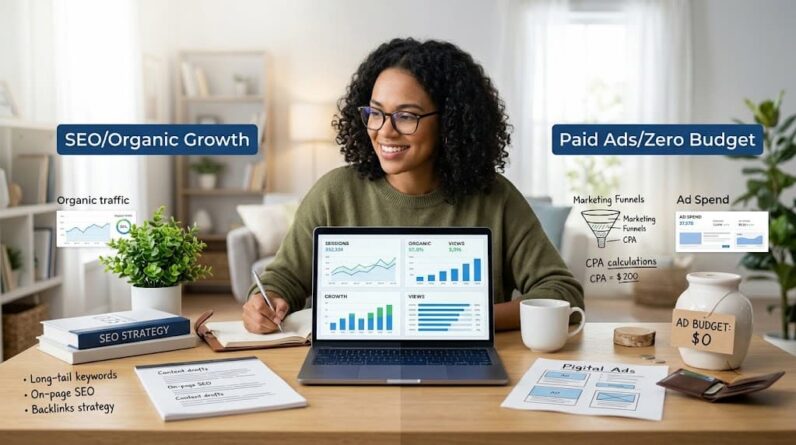
If you’re bootstrapping, SEO and content marketing are your best friends because they don’t require much money—just time and effort. If you want fast results and have a budget, PPC and social media ads can speed things up. If you’re building relationships over the long haul, email marketing is gold.
Final Thoughts
Digital marketing isn’t about chasing every trend or copying what everyone else is doing. It’s about finding the right mix that works for you, your brand, and your audience. Think of it like cooking—you don’t need every spice in the cabinet, just the ones that make the dish taste right.
Start small, experiment, and see what gets traction. Once you figure out which type of digital marketing clicks with your audience, you can scale it up and really grow.
So, what’s your first move? Are you leaning toward SEO, social media, or maybe affiliate marketing? Whatever you choose, the key is to just start and keep refining as you go.