Let’s be honest. You can feel the pressure when you look at your website analytics or your online store’s dashboard. It’s one thing to have a great product or service. It’s a whole other challenge to get people to actually notice it, care about it, and—most importantly—hit that “Buy Now” button.
You know you need to do “digital marketing.” But when you hear that term, what comes to mind? A chaotic blur of social media posts, confusing ads, SEO jargon, and endless email blasts? It’s easy to think that driving online sales is about shouting the loudest or spending the most money.
Here’s the truth that cuts through the noise: Effective digital marketing isn’t about broadcasting. It’s about building a direct, helpful, and persuasive path between a person’s problem and your solution. It’s the system that consistently turns anonymous visitors into paying customers, even while they’re sitting on their couch. In today’s world, your digital marketing is your salesfloor, your most charismatic salesperson, and your customer service desk, all rolled into one.
Think of it like a modern, high-end bakery. The beautiful window display (your website/social media) gets people to stop and look. The delicious smell wafting out the door (your content and ads) pulls them inside. The friendly staff member who offers a sample and explains the ingredients (your email nurture sequence) builds trust. And the easy, quick checkout (your optimized sales page) seals the deal. Digital marketing is the entire customer journey, engineered for the online world.
So, let’s move past the buzzwords. Let’s break down exactly how a focused digital marketing strategy works like a sales funnel, guiding people from complete stranger to loyal customer, one intentional step at a time.
The Foundation: It’s a Pathway, Not a Megaphone
The biggest mistake is viewing marketing tactics as isolated events—a random Facebook ad here, an Instagram post there. In 2024, driving sales is about creating a cohesive pathway. We often call this a “sales funnel,” but that sounds industrial. Think of it as a guided tour you’re creating for your ideal customer. You’re meeting them where they are, providing value at each step, and naturally leading them toward a purchase because it genuinely makes sense for them.
This pathway typically has three core stages: Awareness, Consideration, and Decision. Your job is to have the right marketing tools working at each stage.
Stage 1: Awareness – “I See You, and You Get Me.”
At this very moment, your future customers are online searching for solutions to problems they have. They might not even know your product exists. The goal of marketing here is to get on their radar by being genuinely helpful.
How It Drives Sales: By answering questions and providing value first, you build immediate trust and credibility. You’re not selling; you’re helping. This makes someone far more likely to listen to you later when you do make an offer.
-
SEO (Search Engine Optimization): This is about capturing “intent.” When someone types “how to keep herbs alive indoors” into Google, they have a problem. A blog post from a company that sells self-watering planters titled “5 Reasons Your Indoor Herbs Keep Dying (and How to Fix It)” is a perfect match. By solving the informational problem, you introduce your product as the logical solution. The sale is earned through authority.
-
Social Media & Content Marketing: This is about attraction and community. A skincare brand doesn’t just post product shots. It creates short videos about ingredient myths, shares user-generated content, and hosts live Q&As about skin health. They build a community of people interested in skincare, making their product recommendations relevant and trusted.
-
Pay-Per-Click (PPC) & Social Ads: These are your targeted invitations. You can place your helpful guide or compelling brand story directly in front of people who match your ideal customer profile—parents of toddlers, marathon runners, small business owners. A well-crafted ad for a time-tracking software might target users in LinkedIn groups for project managers with the headline “Tired of Manual Timesheets?”
Stage 2: Consideration – “Okay, I’m Interested. Tell Me More.”
Now someone knows who you are. They’ve read your blog post or seen your ad. They’re not ready to buy, but they’re evaluating their options. Your marketing now needs to deepen the relationship and demonstrate why you’re the best choice.
How It Drives Sales: By nurturing leads with targeted information, you overcome objections, build desire, and stay top-of-mind throughout their research process.
-
Email Marketing: This is your most powerful sales channel. When someone downloads your free guide on herb care (in exchange for their email address), you now have permission to continue the conversation. A follow-up email sequence can provide more tips, share a customer story about how the planter transformed their cooking, and offer a first-time buyer discount. You’re guiding them gently toward a purchase with valuable content.
-
Retargeting Ads: Ever looked at a product online and then seen it “follow” you around the internet? That’s retargeting. It’s remarkably effective because it reminds a warm, interested lead about you. A simple ad showing the product they viewed, along with a strong benefit or a limited-time offer, can be the nudge that brings them back to complete the purchase.
-
Case Studies & Webinars: For higher-consideration purchases (like software, coaching, or expensive gear), social proof is everything. A detailed case study showing how your service helped a specific client achieve a result builds immense credibility. A free webinar that delves deep into a problem and positions your product as the solution is a potent way to move people from consideration to decision.
Stage 3: Decision – “Let’s Do This. It’s Easy.”
The final hurdle. The prospect is ready to buy, but a confusing checkout, lack of payment options, or last-second doubt can kill the sale. Marketing’s job here is to remove all friction and provide confidence.
How It Drives Sales: By optimizing the final moment of truth, you convert ready-to-buy intent into a completed transaction and a happy customer.
-
High-Converting Landing Pages: This is where your focused ad or email should lead—not to your cluttered homepage. A dedicated landing page has one goal: get the conversion. It repeats the offer from the ad, uses compelling video or images, lists clear benefits, and features testimonials. All links lead to the “Buy” button. It’s a frictionless, persuasive dead-end designed solely for sales.
-
Trust Signals & Guarantees: At the point of purchase, risk is the enemy. Clear trust badges (secure checkout), robust guarantees (“60-Day Money Back”), and plenty of customer reviews directly on the product page mitigate that risk. This is digital marketing closing the deal by providing final reassurance.
-
Abandoned Cart Sequences: This is low-hanging fruit. When someone adds an item to their cart but leaves, an automated email (or SMS) reminding them, perhaps with a gentle incentive like free shipping, can recover a significant percentage of lost sales. It’s a direct, automated nudge that works because the intent was already there.
The Real Secret: It’s All Connected
The magic—and the hard work—is in making these stages work together as one system. Your SEO content captures an email address. Your email nurture sequence builds trust and leads to a webinar sign-up. The webinar promotes a special offer with a retargeting ad follow-up. That ad leads to a dedicated landing page that seals the deal.
You’re not just running ads or sending emails. You’re orchestrating a journey where each piece of marketing supports the next, all with the common goal of providing value and making a sale the natural, welcome conclusion.
Where to Start: Pick One Lane and Master It
This might feel overwhelming, but you don’t need to do everything at once. The fastest way to start driving online sales is to choose one tactic that fits your audience and execute it brilliantly.
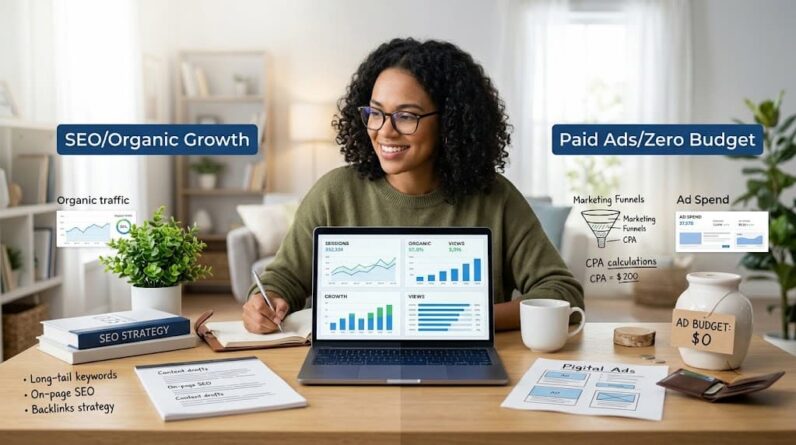
Do you have deep knowledge? Start with SEO and a valuable blog post that leads to an email list sign-up.
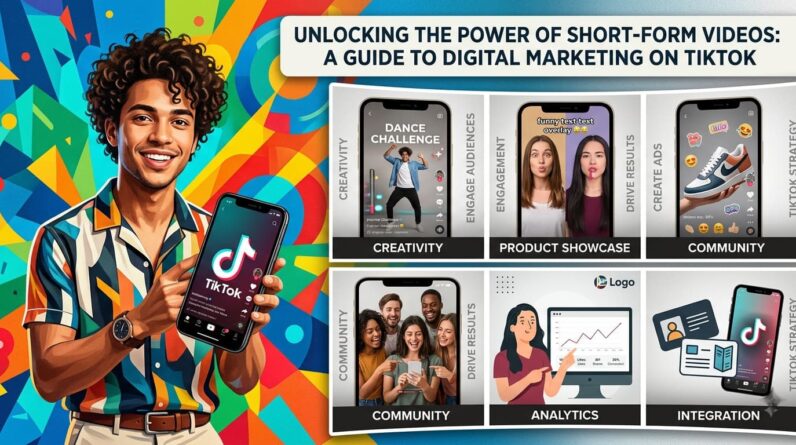
Are your products highly visual? Master Instagram or TikTok content with a clear link in your bio to a product page.
Do you have a clear ideal customer? Run a small, targeted Facebook Ad campaign to a single, well-crafted landing page.
Track what happens. See what moves the needle. Then, build out your next piece of the pathway.
Ultimately, digital marketing that drives sales is a commitment to guiding people, not just grabbing them. It’s about being so helpful and clear that when someone is ready to buy, choosing you feels like the obvious, easy, and right decision. Start building that pathway today, one helpful step at a time.