Let’s be honest. When you first started thinking about making money online or growing your business, what was the first thing you obsessed over?
Traffic.
Views, visits, clicks, followers. We’ve all been there, refreshing our analytics dashboard like it’s the scoreboard of our personal success. More traffic feels good. It feels like progress. It feels busy.
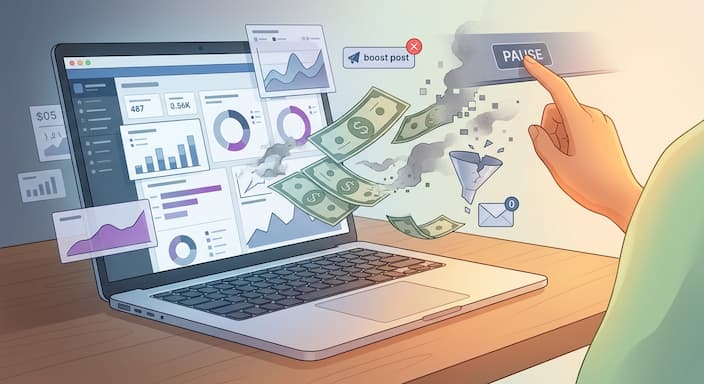
But here’s the uncomfortable truth I’ve learned the hard way, and what every seasoned marketer knows: Traffic without a funnel is like building a highway that leads to a brick wall.
You can spend a fortune on ads, pour hours into SEO, and create viral social content that brings thousands of people to your digital doorstep. But if they show up and you have nowhere to guide them, nothing meaningful for them to do, and no plan to build a relationship… they’ll just turn around and leave. All that potential? Vanished.
Today, we’re flipping the script. We’re going to talk about why focusing on your funnel is the single most important shift you can make. It’s the difference between being a popular tourist spot that everyone visits once, and being a beloved local institution where people become regulars for life.
The Traffic Mirage: Why More Isn’t Always Better
Imagine you own a physical store on a busy downtown street. One day, a parade route is diverted right past your front door. Thousands of people stream by. Your traffic is through the roof! But there’s a catch: none of these people are interested in what you sell. They’re there for the parade. They might glance in your window, but they don’t come in. And even if a few wander in out of curiosity, you have no special offer or way to capture their information for later. They leave, and you never see them again.
Was that “traffic” valuable? Not really. It was just a crowd.
This is the core of the problem. When you chase traffic for traffic’s sake, you’re often just attracting a crowd. They might not be your ideal customer. They have no intent to buy. They’re just… passing by. This is why vanity metrics—like pageviews alone—are so dangerous. They make you feel successful while your bank account stays empty.
A funnel, on the other hand, is intentional. It’s not about everyone; it’s about the right ones.
What is a Funnel, Really? (No Jargon, I Promise)
Strip away all the marketing buzzwords, and a funnel is simply a guided experience. It’s the thoughtful path you create to help a stranger gradually become a aware of you, trust you, and eventually, do business with you.
Think of it like dating. You don’t propose marriage on the first date (if you want a “yes,” that is). You start with a conversation over coffee (that’s your free, helpful blog post or video). Maybe you go for a walk in the park next (they sign up for your email newsletter). Then you have a nice dinner (they buy a low-cost, high-value digital guide). Over time, through consistent, positive interactions, you build a relationship. Finally, you make the bigger ask—the commitment, the flagship product, the high-ticket service.
Your marketing funnel is that dating process, systematized. It meets people where they are, provides value at each step, and gently guides them toward a deeper commitment.
The Anatomy of a Money-Making Funnel
Let’s break down what this guided experience actually looks like in practice. A simple, powerful funnel has three key stages, often called Top, Middle, and Bottom.
Top of Funnel (TOFU): Awareness & Attraction
This is where you cast a net for the right crowd. Your goal here isn’t to sell. It’s to help, educate, or entertain. You’re answering the questions your ideal customer is already asking.
-
Your Toolbox: SEO-optimized blog posts (like this one!), helpful YouTube tutorials, engaging Instagram Reels, insightful Pinterest pins.
-
The Ask: Very soft. Usually just their attention. Maybe a polite invitation to read another related article or follow you for more tips.
Middle of Funnel (MOFU): Consideration & Nurturing
Now you have their attention. They know you have something valuable to say. This stage is about building trust and capturing a way to continue the conversation.
-
Your Toolbox: A compelling lead magnet (a free checklist, template, mini-course, or ebook) in exchange for an email address. A nurture sequence of helpful emails.
-
The Ask: Their email address. You’re saying, “Hey, if you liked that free advice, I have more where that came from. Let’s stay in touch.”
Bottom of Funnel (BOFU): Conversion & Action
You’ve built rapport. You’ve delivered value for free. Now, you present a logical, valuable solution to a problem they have.
-
Your Toolbox: A sales email sequence, a webinar, a product landing page, a consultation booking link.
-
The Ask: The sale. But because you’ve guided them here, it doesn’t feel salesy. It feels like the natural next step. “You’ve been working on X with my free tools. Ready for the complete solution that will save you 10 hours a week?”
The Real Superpower: Turning Visitors into an Asset
Here’s the magic shift that happens when you focus on the funnel. Traffic comes and goes. It’s fleeting. But an email list? That’s an asset you own.
When someone gives you their email address in the Middle of your Funnel, you no longer have to hope they remember to come back to your website. You can go to them. You can nurture that relationship, provide more value, and make offers on your schedule.
This is the ultimate leverage. Instead of begging for attention on constantly-changing social media algorithms, you build a direct line to the people who have already raised their hand and said, “Yes, I’m interested in what you have to say.”
Your First Funnel: Start Simple, Start Now
This doesn’t need to be complicated. You can build a simple, effective funnel in an afternoon. Here’s how:
-
Pick One Problem: What’s one specific, painful problem your ideal customer faces? (e.g., “Can’t organize their weekly meals”).
-
Create a TOFU Piece: Write a detailed blog post titled something like “The 5 Mistakes That Make Meal Planning Feel Impossible.” Help them deeply.
-
Create a MOFU Magnet: At the end of that post, offer a “Weekly Meal Planner Template & Quick-Recipe Guide” in exchange for their email.
-
Create a BOFU Offer: In your welcome email sequence for new subscribers, after giving them the template and a few extra tips, introduce your paid offer. This could be your “Done-For-You Monthly Meal Plan Service” or your “Healthy Recipes Cookbook.”
You’ve just built a system. Now, every piece of traffic to that blog post has a clear, helpful path to follow. You’re no longer just hoping; you’re guiding.
Stop Chasing, Start Guiding
It’s time to look at your website and your content strategy with new eyes. Stop asking, “How can I get more people here?” Start asking, “When they get here, what do I want them to DO next?”
That simple question is the foundation of every profitable funnel. It moves you from being a passive host hoping for guests, to being a thoughtful guide leading people to a solution they need.
Pour your energy into mapping that journey. Make each step valuable, clear, and human. Because when you do, something incredible happens. You stop being at the mercy of traffic. Instead, you build a system that turns every single visitor—even the trickle—into a real opportunity. And that’s how you build a business that lasts, not just a website that gets looks.
Ready to build your first asset? Pick one piece of your best content right now. What’s one simple, helpful next step you can offer your reader at the end of it? That’s your starting line. Go place that guidepost.