If you’ve ever tried to figure out how digital marketing actually works, you know it can feel like trying to drink from a firehose. SEO, email funnels, Facebook ads, Google Analytics, content strategy—it’s enough to make your head spin. But here’s the truth: digital marketing isn’t some mystical art that only tech wizards understand. With the right course, the right mindset, and a bit of practice, you can learn the skills to actually make money online and help businesses grow.
That’s why a digital marketing course can be one of the smartest investments you ever make. Whether you’re a small business owner, a freelancer looking to up your game, or someone ready to make a career switch, mastering digital marketing opens doors in nearly every industry today.
Why Digital Marketing Skills Are Worth Learning
Every business today needs an online presence, period. People don’t flip through phone books anymore—they Google everything. That means if a business isn’t showing up in search results, on social media, or through paid ads, it’s losing customers by the minute.
Digital marketing is the toolset that makes that online visibility happen. It covers everything from building brand awareness on social media, to creating ads that convert, to writing copy that actually sells. The demand for people who understand this stuff is massive—and it’s only growing. According to multiple job boards, “digital marketing” is one of the most in-demand skills for 2025 and beyond.
But more than that, learning digital marketing gives you freedom. You can work remotely, freelance, build your own business, or grow your side hustle. You’re learning a skill that helps you control your income instead of relying on someone else’s paycheck.
What You’ll Actually Learn in a Digital Marketing Course
Let’s be real: not all digital marketing courses are created equal. Some are outdated, some are glorified YouTube tutorials, and some are genuinely worth your time and money. A solid digital marketing course should cover a few key areas that make up the core of modern online marketing.
1. Search Engine Optimization (SEO)
SEO is how you get found online without paying for ads. It’s about understanding what your audience is searching for and then optimizing your website so you show up in those search results. You’ll learn how to research keywords, write optimized content, build backlinks, and use tools like Google Search Console.
The cool part? Once you learn SEO, you can apply it anywhere—to blogs, e-commerce stores, YouTube videos, or even your LinkedIn profile.
2. Social Media Marketing
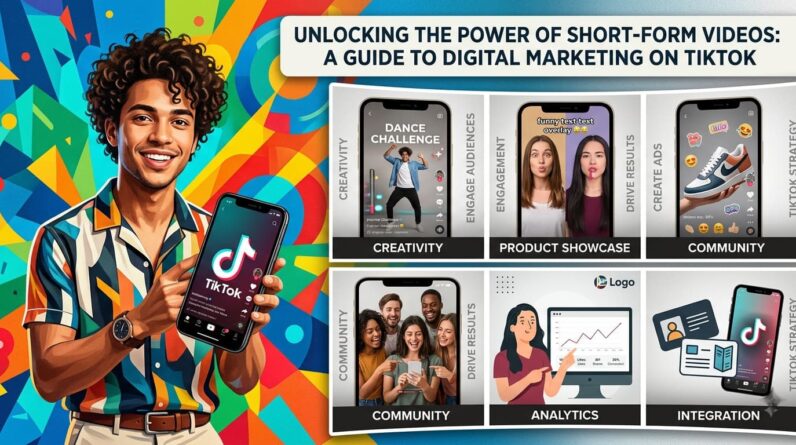
Social media is where people hang out, argue, laugh, and shop these days. A good course will teach you how to use platforms like Facebook, Instagram, TikTok, and LinkedIn to promote products and build a following.
You’ll learn how to craft content that connects with your audience, plan campaigns, analyze engagement, and use paid ads effectively. The goal isn’t just to get likes—it’s to get results.
3. Email Marketing
Email marketing might sound old-school, but it’s still one of the highest ROI tools out there. You’ll learn how to write persuasive emails, segment your audience, and build automated email funnels that keep customers coming back.
Whether you’re selling a product, booking appointments, or running a newsletter, email is the digital handshake that keeps relationships alive.
4. Pay-Per-Click (PPC) Advertising
PPC covers paid ads—think Google Ads or Facebook campaigns. A course should teach you how to research keywords, set budgets, design ad copy, and analyze which campaigns actually convert.
This is where marketing meets math. You’ll learn how to track metrics like click-through rates, conversion costs, and ROI so you can adjust strategies in real time.
5. Content Marketing
Content is the fuel that powers everything online. A strong course will teach you how to write blog posts, plan content calendars, and create articles, videos, and graphics that attract attention and build trust.
If SEO is about getting found, content marketing is about giving people a reason to stick around.
6. Analytics and Data
No marketing strategy works without tracking what’s happening. The best courses include training on analytics tools like Google Analytics, Facebook Insights, and email dashboard reports.
You’ll learn to read the numbers so you can see what’s actually working instead of guessing. Because in digital marketing, data doesn’t lie.
What to Look for in a Good Digital Marketing Course
Before you throw your money at the first ad you see, take a minute to think about what you actually need. A great digital marketing course should check a few important boxes.
First, make sure it’s practical. You want hands-on lessons and real examples, not endless theory. The best courses walk you through campaigns step-by-step and let you apply what you learn immediately.
Second, it should be updated regularly. The internet changes faster than a TikTok trend. What worked in 2021 might be useless now, so you need material that keeps up with the latest tools and algorithms.
Third, check who’s teaching it. Look for instructors with actual experience running campaigns—not just “gurus” selling courses. Real marketers show proof of results, not just screenshots of dashboards.
And lastly, look for community or mentorship. Courses that include group discussions, instructor feedback, or private communities make it easier to stay motivated and get answers when you’re stuck.
Free vs. Paid Courses: Which Should You Choose?
There are tons of free digital marketing courses out there—Google’s Digital Garage, HubSpot Academy, and Coursera all offer solid beginner-friendly options. They’re great for getting your feet wet and learning the basics without spending a dime.
That said, paid courses often go deeper and give you structure. If you’re serious about turning your skills into income or landing a job, it’s usually worth investing in one solid, reputable course. Think of it like college, but way cheaper and with skills you’ll actually use.
How to Put What You Learn Into Practice
Courses are great, but they only work if you actually do something with what you learn. Start small—create a blog, build a social page for a local business, or run a test ad for a side project. Experience trumps theory every time.
You can even offer free or low-cost services to small businesses just to get some real-world results for your portfolio. Once you can show data—like “I increased this client’s leads by 40% using Facebook ads”—you’re instantly more hireable.
If you’re learning on your own, keep experimenting. Algorithms change, trends shift, and what works today might flop next month. The best digital marketers are curious and adaptable.
Final Take
A digital marketing course isn’t just another online class—it’s a ticket to understanding how the internet really works for business. You’ll learn how to attract attention, build audiences, and turn clicks into cash.
And here’s the best part: digital marketing isn’t some passing trend. It’s the backbone of modern business. If you can master it, you’ll always have skills that are valuable, in demand, and ready to make you money—no matter where life takes you.
So grab a coffee, open that laptop, and pick a course that actually teaches you something useful. The sooner you start, the sooner you’ll see just how far a little marketing knowledge can take you.