In 2026, a remarkable shift is reshaping e-commerce: product categories outside the top 100 now account for nearly 55% of all sales on Shopify—and they’re growing faster than mainstream categories . What was once the “long tail” of commerce has become the head. This isn’t a fluke—it’s the result of fundamental changes in how people discover and buy products online.
Why Niche Markets Are Winning
The old playbook was simple: sell what’s popular, or get crushed by the giants. But the math has flipped. Here’s what’s driving the shift.
The Specificity Advantage
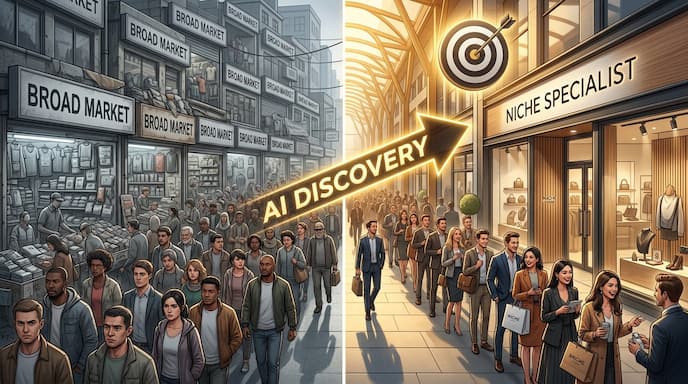
A broad store used to be the safe bet; a niche one was the gamble. That risk premium has reversed . When discovery moves from popularity contests to relevance matching, the narrowest product wins its category by default.
The key insight: Selling to everyone is becoming less useful every year . A business that tries to please too many people ends up pleasing no one at a meaningful level. It becomes a vague brand that blends into the background.
AI Loves a Specialist
This is the game-changer. A search engine rewards popularity. An AI assistant hunts for the most relevant answer . Ask it for the best kite for flying on a windless day, and it won’t point to a generic bestseller—it will surface the obsessive specialist who engineered exactly that.
The data speaks: In 2025, 71% of AI-attributed orders came from long-tail products . The more specific your product, the better AI gets at matching it with the one person who’s been searching for it.
The Creator Commerce Engine
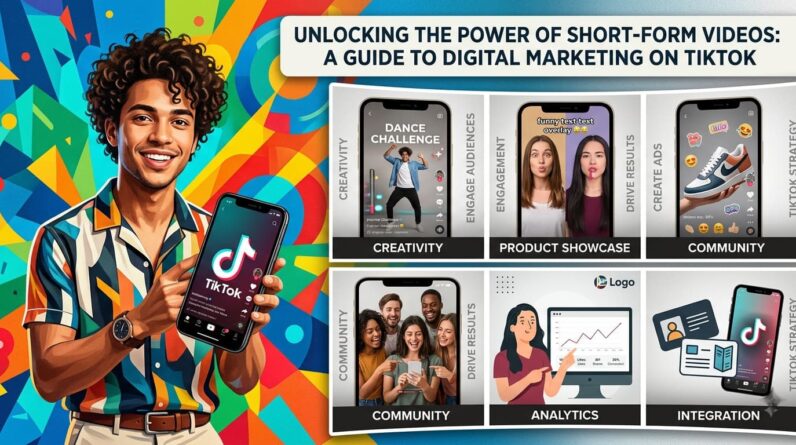
Digital marketing on niche markets isn’t just about targeting—it’s about how modern consumers discover products. Traditional advertising used to cost millions to capture attention. Now, creators can do it in 15-second videos at almost no cost .
The new dynamic: Content creators operate as sellers, marketers, and influencers in one—often called “nano-influencers” . Their communities are tight-knit, and their recommendations land like peer-to-peer advice, driving some of the strongest conversion rates .
The Trust Factor
People trust people more than brands . When a creator says, “This $40 product is worth it,” it often builds more credibility than a thousand-dollar ad campaign. This trust translates directly to sales: younger consumers now discover products through creators rather than traditional advertising .
How the Flow Works
-
Discovery: A creator posts an authentic review or demo
-
Validation: Viewers see others engaging and buying
-
Conversion: Trackable affiliate links direct customers to purchase
-
Income: Creators earn a commission on sales
The result: This process reduces marketing costs while shortening the path to purchase, transforming video content into income streams .
Lower Customer Acquisition Costs
There’s a measurable financial advantage to niche marketing. When you stop trying to convince everyone, your ad spend becomes more efficient .
The data shows:
-
Ad spend reaches a smaller but more relevant audience
-
Less competition in ad auctions
-
Lower cost per customer acquisition
In practice: Instagram sellers report that customer acquisition costs on social platforms are often lower than on Google, particularly when discovery is driven organically rather than through ads .
How Niche Brands Succeed
Build Identity, Not Just Product
People don’t buy by features alone. They buy because the product makes a statement about who they are—or who they want to be .
What identity does:
-
Signals belonging (“someone understands me”)
-
Filters out wrong buyers automatically
-
Turns a product into a symbol
The feeling of being understood is stronger than any promo code. And it builds loyalty—customers with excellent brand experiences are significantly more likely to repurchase .
Start Narrow, Scale Later
The lean playbook isn’t a constraint—it’s the strategy .
Reality check:
-
41% of Shopify stores launch with a single product
-
Nearly 54% of new stores in 2025 launched in a long-tail category
Starting narrow doesn’t mean staying narrow. It means the distance from “I have an idea” to “I have a business” has collapsed .
The Framework That Works
Research on digital niche marketing outlines a practical sequence :
-
Identify specific market needs or problems
-
Design a relevant solution for that audience
-
Sharpen the target into a clearly defined niche
-
Formulate a unique selling point and value proposition
-
Validate with a small-scale test (portfolio/MVP)
-
Execute social media marketing to reach your audience
-
Maintain consistent content and digital branding
-
Evaluate continuously and adapt based on results
The Content Consistency Factor
Content consistency and social media utilization act as the key mechanisms linking digital marketing intensity to niche success . It’s not about occasional campaigns—it’s about building an always-on presence.
Profitable Niches to Consider
Based on current data, these areas are seeing strong growth :
-
Health, wellness, and self-care (especially bundled solutions)
-
Pet products (fueled by emotional connection)
-
Print-on-demand with stacked niches (astrology + gaming, pets + pop culture)
-
Work-from-home and hybrid lifestyle products
-
Digital products and AI tools (no inventory, near 100% margins)
Key Takeaways
Niche isn’t limitation—it’s leverage. In a world where AI does the matchmaking, specificity is your moat. The giants literally cannot out-niche you on your own turf .
The winning formula: Pick a hyper-specific audience you understand deeply. Speak their language and solve their exact problem. Build identity and community around your brand. Use creator partnerships to drive discovery and trust. And don’t try to be everything to everyone—the internet is flooded with brands trying to do exactly that .
The era of broad, generic marketing is fading. The brands winning in 2026 are the ones who found their corner of the market and owned it completely.